What is Data Sovereignty? Personal Data Ownership in the Digital Age
Every time you send a message, upload a photo, or log in to a favorite app, you’re creating data and that data has a home somewhere. But where it lives, who controls it, and what laws protect it aren’t always clear. That’s where data sovereignty comes in.
In today’s interconnected digital economy, understanding what data sovereignty means isn’t just a legal concern, it’s essential to protecting your digital privacy, asserting personal data ownership, and shaping the future of technology itself.
What Is Data Sovereignty?
At its core, data sovereignty means that data is subject to the laws and governance of the nation where it is collected or stored. In simple terms, if your data is stored on a server in France, it falls under French and European Union law.
This concept is often paired with data localization, or the requirement that certain types of data remain within specific national or regional boundaries. Governments use these policies to ensure greater control, security, and accountability over information generated within their borders.
The data sovereignty definition has become increasingly important as cloud computing, global commerce, and cross-border data transfers expand. Frameworks such as the EU’s General Data Protection Regulation (GDPR) and the California Consumer Privacy Act (CCPA) are prime examples of how data protection laws are evolving to enforce stricter standards of data compliance and user consent.
Why Data Sovereignty Matters for Individuals
For individuals, data sovereignty can be deeply personal. Every click, search, and connection you make online creates a digital fingerprint that’s stored, analyzed, and often monetized without your explicit awareness.
Reclaiming control through personal data ownership gives users a say in how their information is used. When you own your data, you decide whether it’s shared, licensed, or deleted, an act that redefines the relationship between people and platforms.
Projects like Vana are leading this shift toward user empowerment. The Vana App allows individuals to gather, visualize, and manage their data across platforms, offering a practical path toward digital sovereignty. By creating tools that return ownership to users, Vana helps redefine what data freedom truly means in the digital age.
Data Sovereignty and Global Data Protection Laws
Countries around the world are adopting new frameworks for data protection laws that reflect their values and security priorities.
- The European Union’s GDPR emphasizes user consent, the right to be forgotten, and clear data governance standards.
- The United States’ CCPA focuses on transparency and consumer control over corporate data practices.
- APAC regions, including India and Singapore, are introducing national strategies to enhance data compliance and data localization policies.
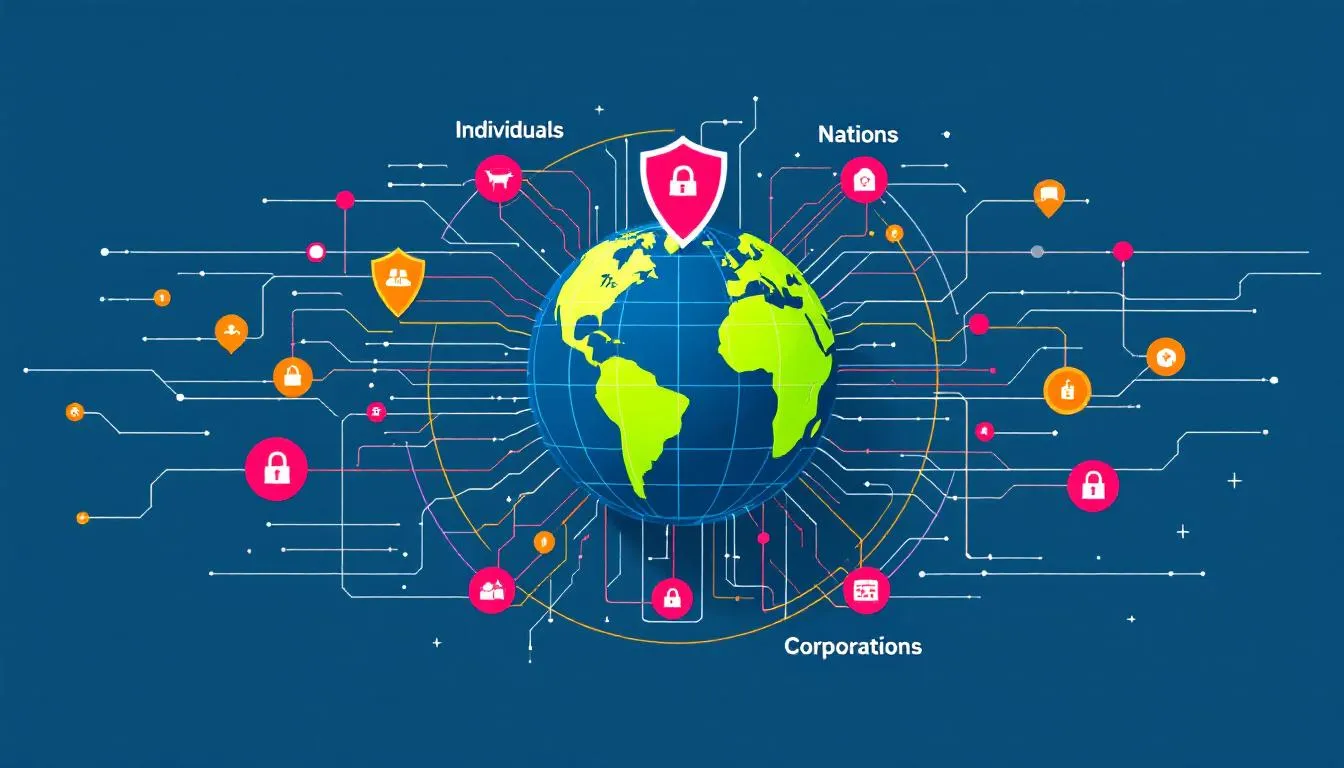
This growing patchwork of regulation shows that data sovereignty isn’t only a national issue, it’s a global one. Businesses that store or process international data must navigate complex rules across borders, leading to increased focus on data governance and accountability.
For deeper insight into best practices for managing data responsibly, organizations can reference the NIST Privacy Framework, which provides adaptable guidelines for privacy risk management.
Data Governance, Transparency, and Trust
At the heart of data sovereignty lies data governance, or the structures and processes that determine how information is managed, shared, and protected. Good governance promotes data transparency, ensuring users understand how their information flows through digital systems.
As artificial intelligence continues to evolve, AI data governance is becoming a critical concern. Foundation models and generative AI systems rely on massive datasets, many of which contain sensitive user information. Without proper oversight, this can lead to bias, misuse, or ethical violations.
Vana’s Whitepaper explores a new paradigm for decentralized data governance, showing how Data Collectives / DataDAOs and blockchain infrastructure can enforce user control at scale. Similarly, the World Economic Forum’s Data for AI Governance initiative highlights how transparency and accountability are essential for building trust between AI developers and the public.
When governance is transparent and participatory, it strengthens public confidence and aligns technology with human rights.
How Decentralization Redefines Digital Sovereignty
Digital sovereignty goes a step further than data sovereignty. It’s about autonomy over your entire digital identity. This includes not just where data lives, but who can access, interpret, or profit from it.
Decentralized technologies like blockchain and Web3 are transforming this landscape. Instead of storing data in centralized servers owned by corporations, users can now maintain personal data ownership through cryptographic wallets and consent-driven sharing models.
The Vana docs explain how data is encrypted, stored, and licensed back to applications in a way that keeps the user in control. Meanwhile, Vana’s Data Portability guide demonstrates how users can move their data freely between ecosystems, a crucial aspect of true digital sovereignty.
This shift represents a future where individuals are not products, but participants in a fair and transparent data economy.
The Future of Data Sovereignty
The next decade will redefine how we think about information ownership. Expect to see:
- More robust international data protection laws harmonizing global standards.
- AI data governance frameworks designed to ensure fairness and accountability.
- Open data ecosystems where transparency and portability are the norm.
- User-owned data marketplaces that reward individuals for ethically licensing their information.
The vision of data sovereignty isn’t just about compliance, it’s about choice. As users, we are shifting from passive data subjects to active data stewards.
Final Thoughts
True data sovereignty is about more than where information resides, it’s about who it serves. In an era when digital privacy, compliance, and AI ethics dominate the headlines, personal control has never been more valuable.
Vana’s approach to data governance and digital sovereignty offers a glimpse into that future: one where data is portable, transparent, and owned by the people who create it.
Your data should work for you, not the other way around.